Postgres Query Optimization for Application Developers
Most slow queries come from a small set of fixable problems: missing indexes, N+1 patterns, and over-fetching. This is the practical diagnostic and fix guide.
Tag
24 articles tagged #Architecture.
Most slow queries come from a small set of fixable problems: missing indexes, N+1 patterns, and over-fetching. This is the practical diagnostic and fix guide.
Blue-green and canary deployments give you a way to release software without taking down your service or discovering a bug when it's already affecting everyone. Here's how they work and when to use each.
NestJS has been growing quietly for years. If your Node.js backend is a pile of Express middleware with no clear structure, NestJS offers a path forward without changing languages.
Local-first means your app works offline and syncs when connected. The technology (CRDTs and sync engines) is mature enough to use. The question is whether your use case actually needs it.
Every agency project with a marketing team needs a CMS. The options have changed a lot. Here's how Sanity, Contentful, Strapi, and Payload stack up on the criteria that actually matter.
Row Level Security moves data isolation into the database where it belongs. Here's how to set it up for a multi-tenant SaaS, handle common edge cases, and avoid the traps that break it.
Multi-cloud gets pitched as the default choice for serious companies. The reality is more nuanced — and for most teams, the complexity cost is higher than the lock-in risk it's supposed to prevent.
Three leading agent orchestration frameworks, three different mental models. Here's when each one earns its place, what each costs you in complexity, and what the choice looks like when you're debugging at 2am.
An agent that forgets everything when the session ends is a limited tool. Here are the practical patterns for building different kinds of memory into your agents.
JavaScript error handling is broken by default — exceptions are untyped, async errors are easy to miss, and side effects are invisible in function signatures. Effect TS fixes all three. Here is how it works.
gRPC has been available for years but many teams default to REST without thinking through the tradeoffs. Here's how gRPC works, where it fits, and where it doesn't.
Breaking API changes are inevitable. How you handle versioning determines whether clients trust your platform or avoid integrating with it. Here's a practical comparison of URL versioning, header versioning, and content negotiation.
Message queues and event streams solve different problems. Kafka is not always the right answer. Here's how to think through event-driven patterns and choose the right tool for your production workload.
Every SaaS team eventually faces the multi-tenancy decision. The wrong choice creates migration pain later. Here's how to think through database-per-tenant, schema-per-tenant, and row-level security based on what your product actually needs.
Every public API needs rate limiting, but the algorithm you choose shapes the user experience and the failure modes. Here's how each approach works and when to use it.
How we built production multi-agent systems using Claude Agent SDK and Model Context Protocol. Covers orchestrator-worker patterns, handoff strategies, error handling, and real-world architecture decisions.
We migrated three production projects from Celery to Django's new Tasks framework. Two went smoothly. One was a disaster. Here is everything we learned.
A deep dive into how we built codercops.com with Astro 5 SSR, Supabase as a CMS, Git-based content, and Edge Functions. Architecture decisions and lessons learned.
How we built a Git-to-Supabase content pipeline with SHA-256 delta sync, Edge Functions, and GitHub Actions. Full architecture and code walkthrough.
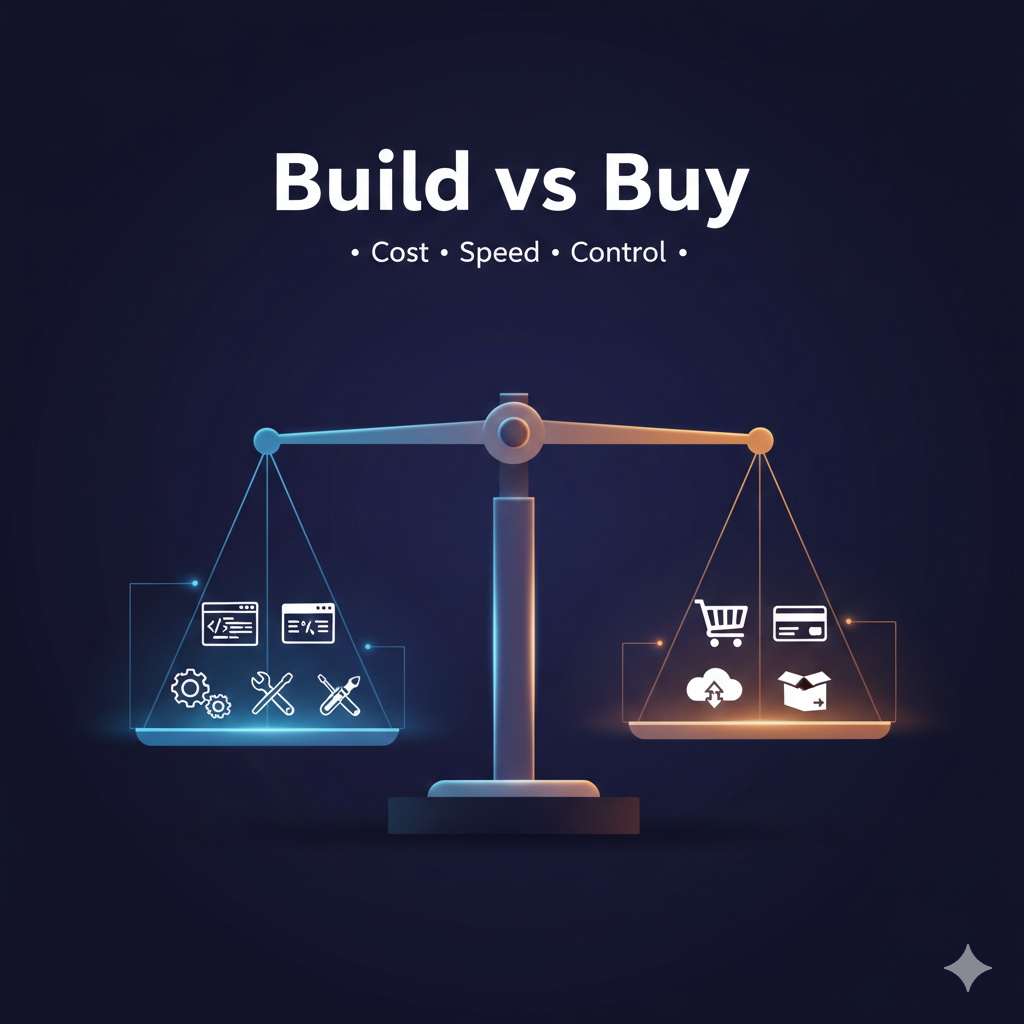
P.20Every engineering team faces build vs buy decisions constantly. Here's a practical framework for making these decisions without analysis paralysis.
Choosing a tech stack is one of the earliest and most consequential decisions for a startup. Here's a practical guide to making choices you won't regret.
How we split our agency website into two repos — one for code, one for content — and why this architecture scales better than a monolith. With our exact Git submodule setup, GitHub Actions validation, and content workflow.
Multi-agent systems sound great in demos but break in production. Here's how to architect, orchestrate, and monitor AI agent teams that reliably handle complex workflows — patterns from real deployments.
Learn the 5 SOLID principles of clean code through real-world analogies, humor, and simple examples. No PhD required - just common sense and a sense of humor.