AI & ML · AI Policy
India AI Impact Summit 2026 — Inside the Event That Wants to Redefine India's Role in Global AI
A deep dive into the India AI Impact Summit 2026 at Bharat Mandapam — $200B in pledged investments, sovereign AI models, the MANAV framework, and what it all means for builders and founders.
CODERCOPS Team
15 min read
Sponsored
The India AI Impact Summit 2026 wasn’t just another tech conference. It felt like a signal.
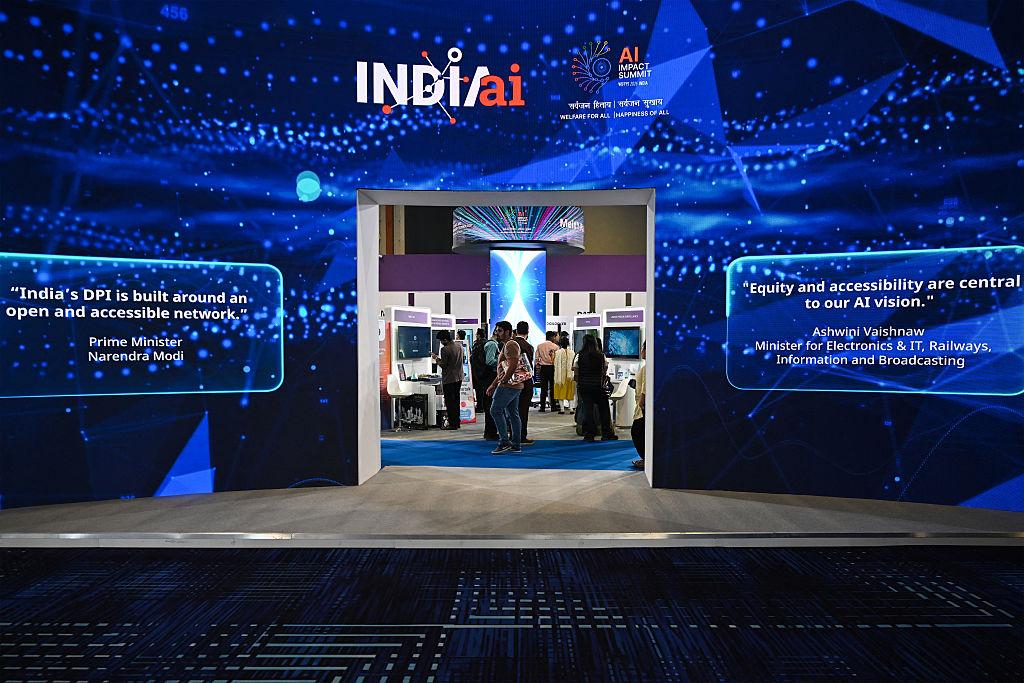
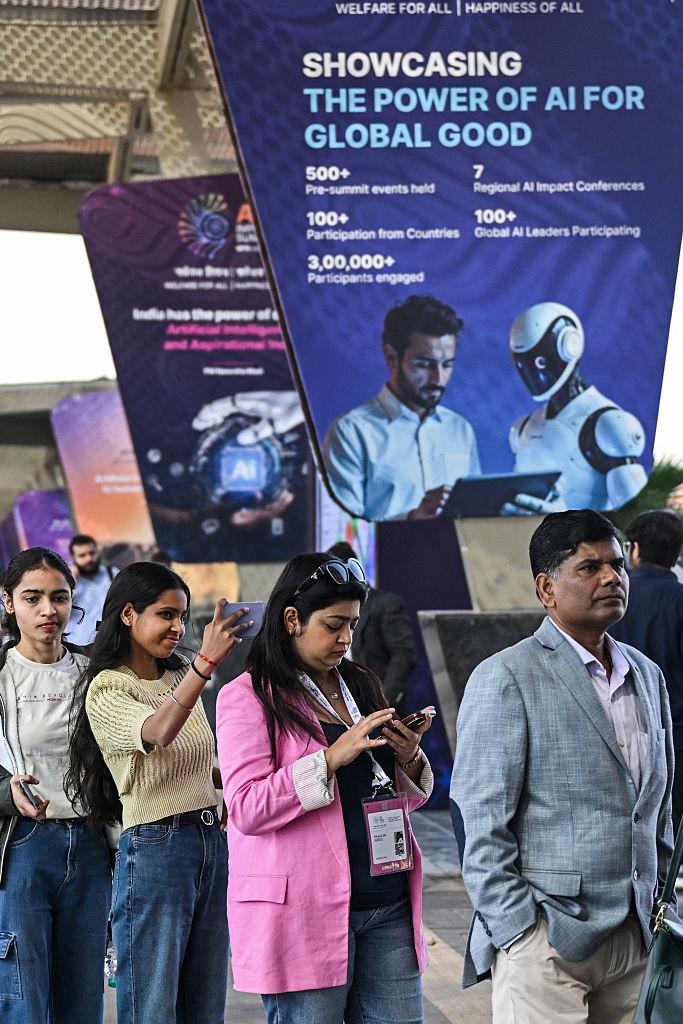
For years, global AI conversations have been dominated by Silicon Valley and Europe. But between February 16–21, the narrative moved to Bharat Mandapam in New Delhi, and the focus shifted toward impact, inclusion, and infrastructure. This was the first global AI summit ever hosted by a Global South nation, and the scale was unlike anything India’s tech ecosystem had seen before.
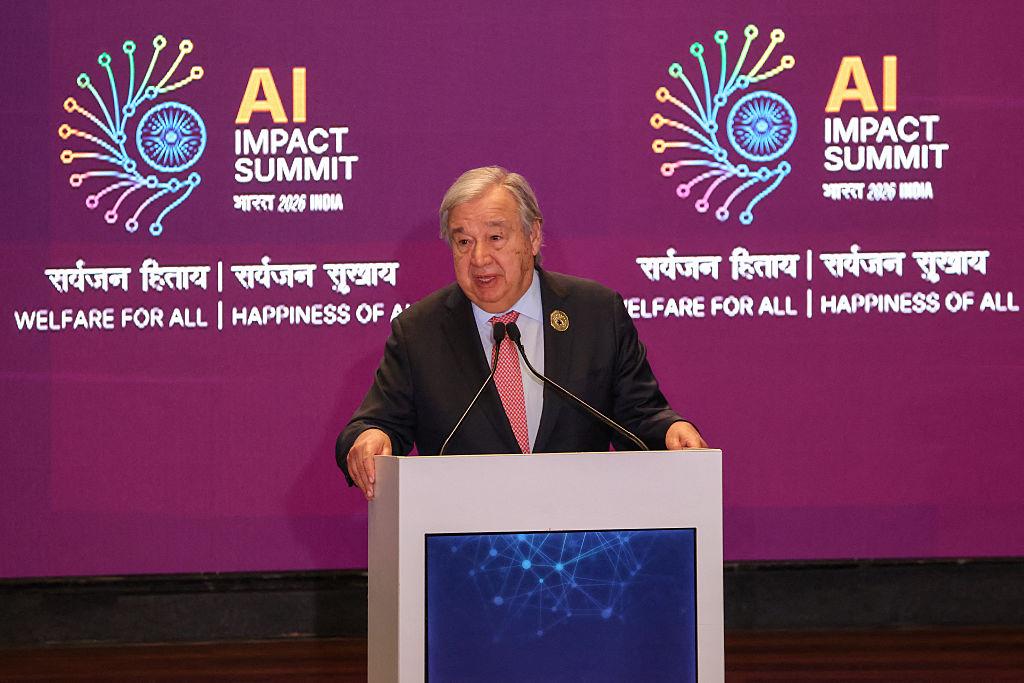
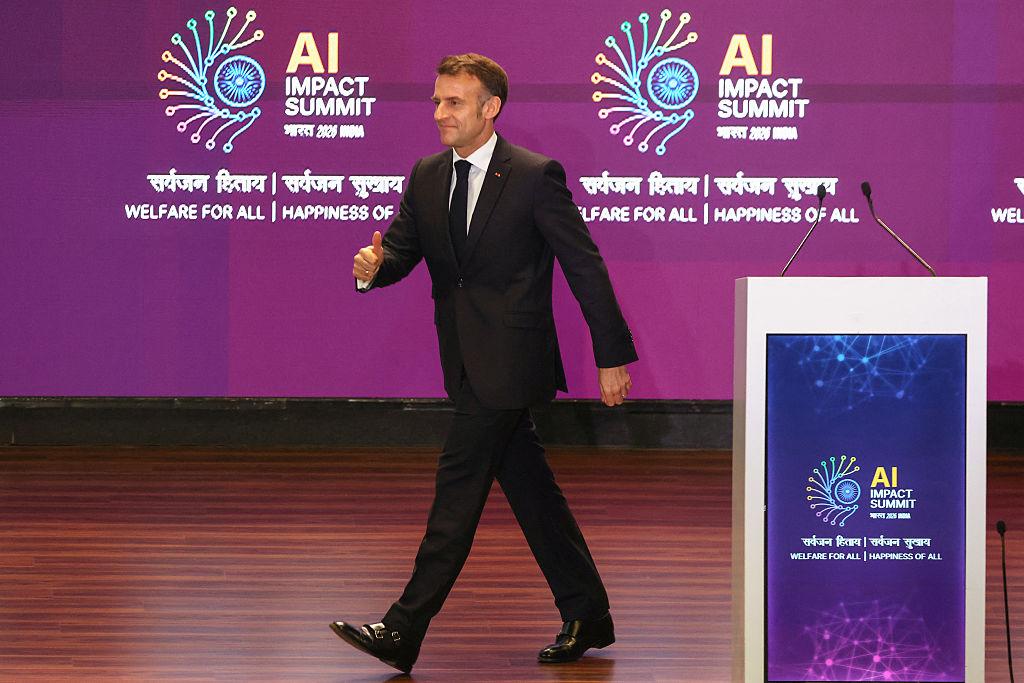
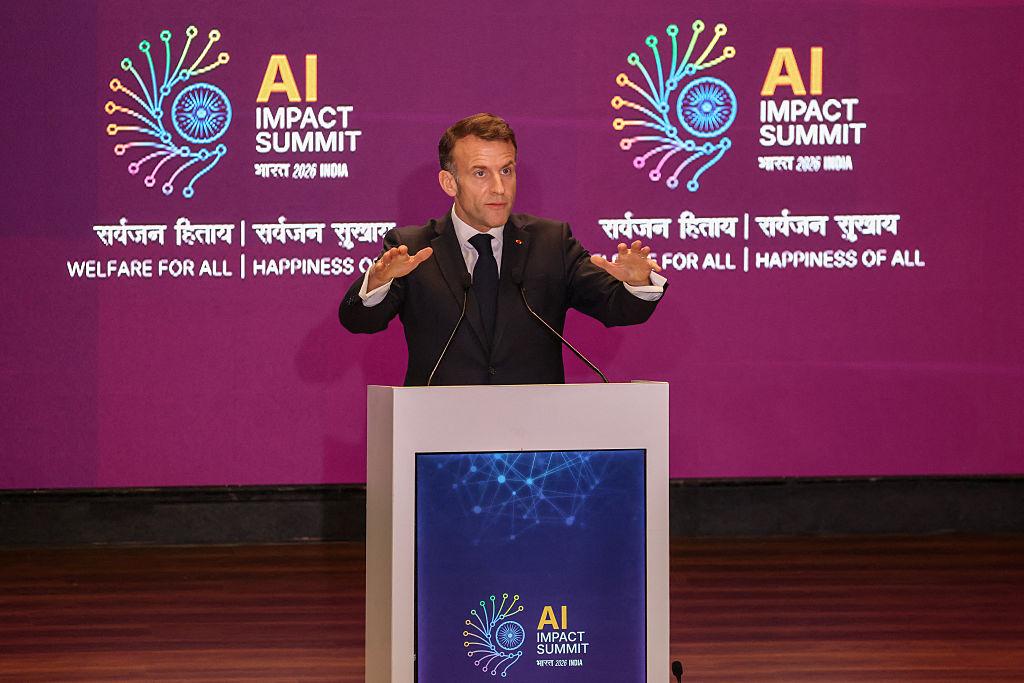
Over 500,000 visitors from more than 100 countries. 300+ exhibitors from 30 countries. 500+ sessions. 20+ heads of state. 40+ global CEOs. 70,000 showed up on day one alone. French President Emmanuel Macron and UN Secretary-General António Guterres addressed the opening ceremony alongside Prime Minister Narendra Modi.
And honestly, if you’re a builder or founder, this event matters more than headlines alone suggest.
A Summit Built Around “People, Planet, Progress”
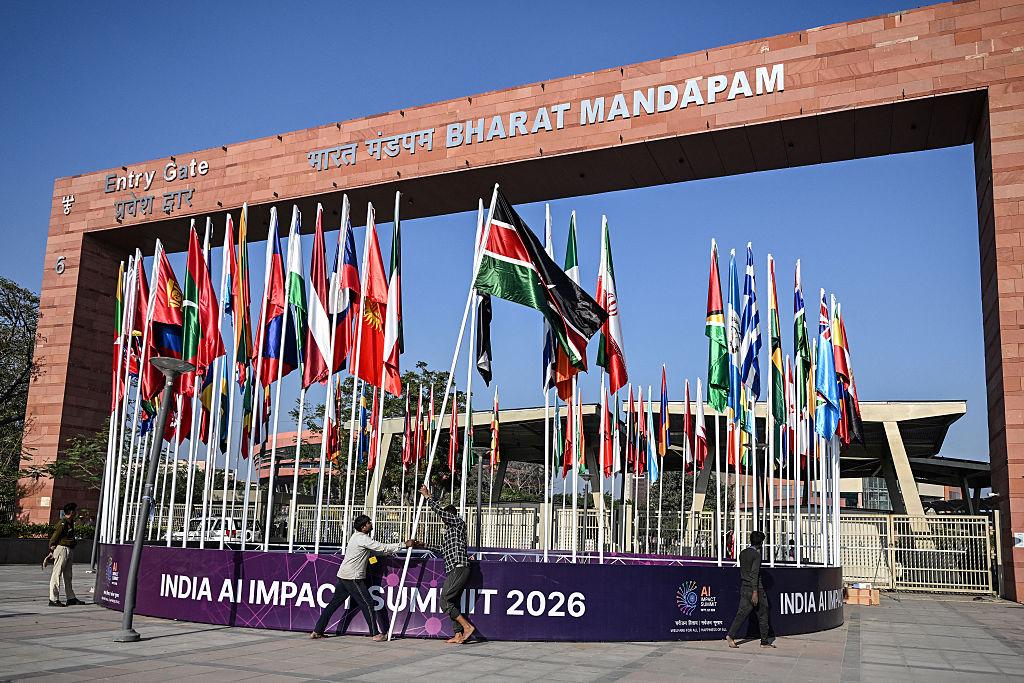
Unlike traditional AI conferences focused only on model benchmarks and leaderboards, the India AI Impact Summit was structured around three “Sutras”: People, Planet, and Progress. These translated into seven thematic “Chakras” (working groups) covering AI for economic growth and social good, democratizing AI resources, inclusion, safe and trusted AI, human capital, science, and resilience.
The summit was organized under the IndiaAI Mission by the Ministry of Electronics and Information Technology. PM Modi first announced it at the France AI Action Summit, and its scale was deliberate. This was India hosting “one-sixth of humanity” to discuss what AI means for the world, not just Silicon Valley.
PM Modi himself set the tone with the MANAV framework, a human-centric AI blueprint:
- M — Moral Systems: Global ethical guardrails for algorithmic bias
- A — Accountable Governance: Verifiable transparency through algorithmic audits
- N — National Sovereignty: Data sovereignty and domestic AI capability
- A — Accessible & Inclusive: Linguistic justice across all 22 official Indian languages
- V — Valid & Legitimate: Proof of origin and watermarking for AI content
His call to the world was clear: “Design and Develop in India. Deliver to the World. Deliver to Humanity.”
Major AI Announcements That Defined the Summit
One of the biggest highlights was the unveiling of new Indian AI models and hardware. This wasn’t incremental. These were India’s first serious bids at sovereign AI capability.
Sarvam AI — From Models to Hardware
Sarvam AI stole the show with a triple announcement:
-
New LLMs: 30B and 105B parameter models using mixture-of-experts architecture, trained from scratch on domestic compute under the IndiaAI Mission. The 105B model supports a 128,000-token context window, capable of analyzing entire balance sheets, legal filings, or technical manuals in a single prompt.
-
Indus Chat App: A multilingual chatbot available on Android and iOS, supporting all 22 Indian languages with voice input, document summarization, and natural language switching. Think ChatGPT, but designed for how Indians actually speak, mixing Hindi, English, Tamil, and everything in between.
-
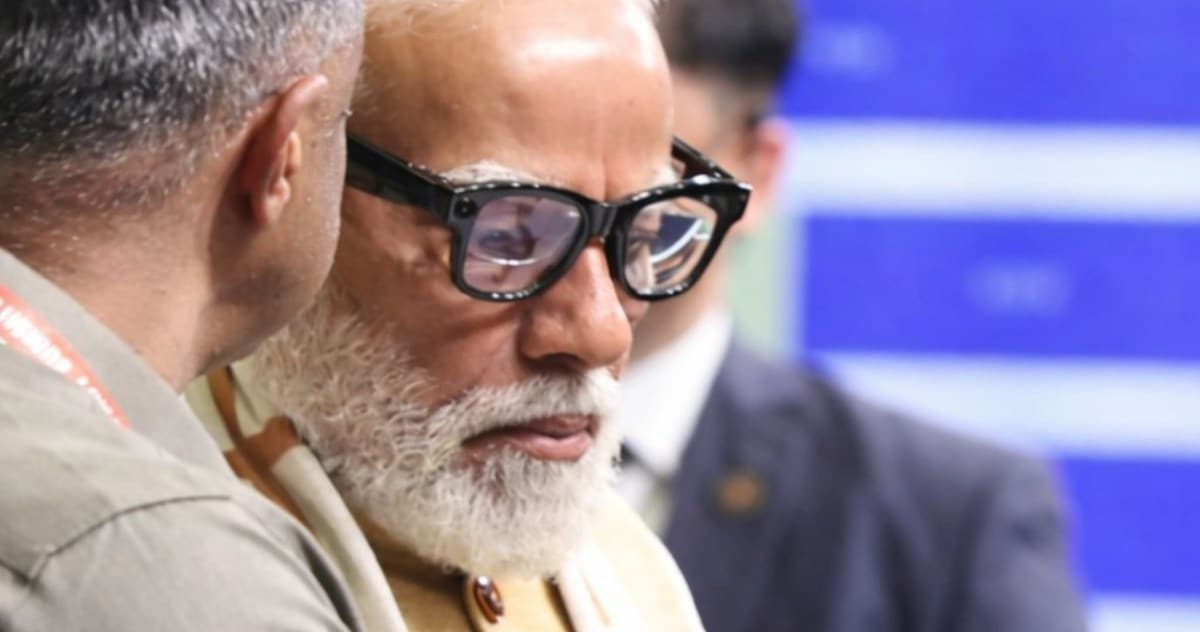
Kaze Smart Glasses: Sarvam’s first hardware product, positioning itself as a made-in-India alternative to Meta’s Ray-Ban smart glasses. PM Modi was the first person to try them. The glasses can listen, understand, respond, and capture what the wearer sees, with voice commands, first-person photos/video, and real-time AI responses. Expected to launch in May 2026.
Government-Backed Sovereign Models
- BharatGen Param2: A government-backed 17-billion parameter multimodal foundation model supporting all 22 scheduled Indian languages. Processes text and images, part of India’s public digital AI infrastructure.
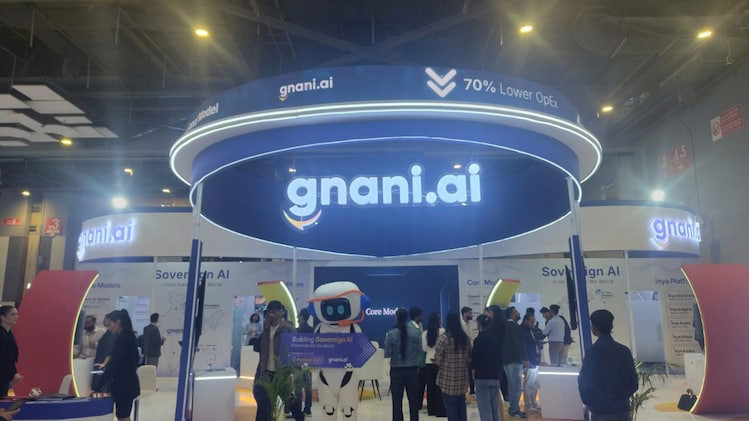
- Gnani.ai’s Vachana TTS: Zero-shot voice cloning across 12 languages using less than 10 seconds of recorded audio. It can recreate a person’s voice (preserving tone, pitch, and speaking style), and that same cloned voice can speak across multiple languages without losing identity. This is genuinely impressive tech.
These announcements signal a clear shift: India is moving from AI adoption to AI creation.
$200 Billion in Pledged Investments
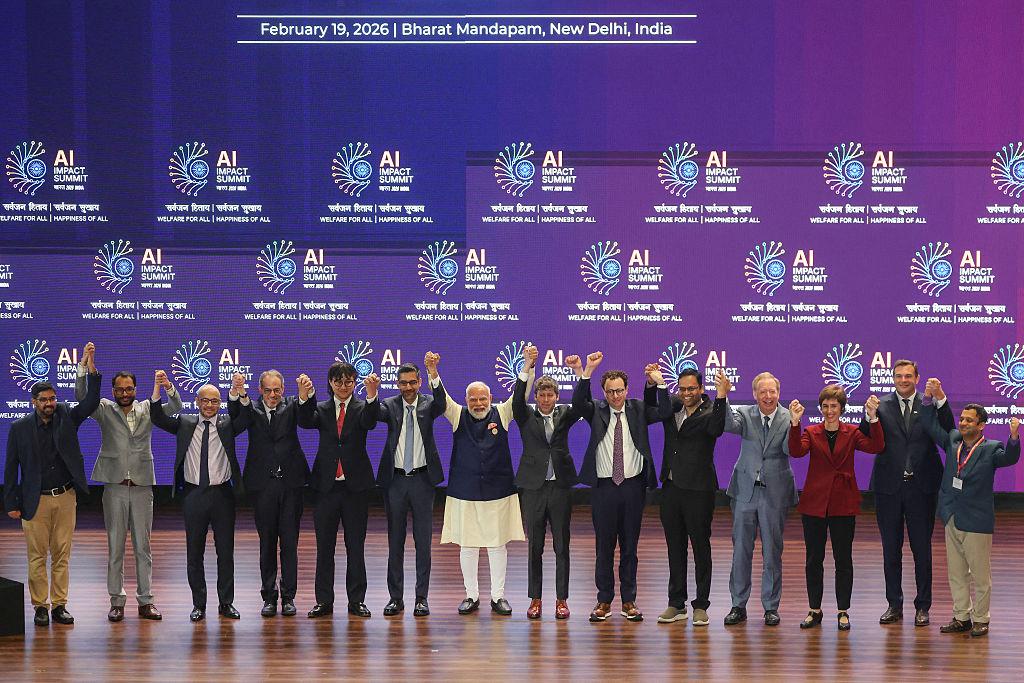
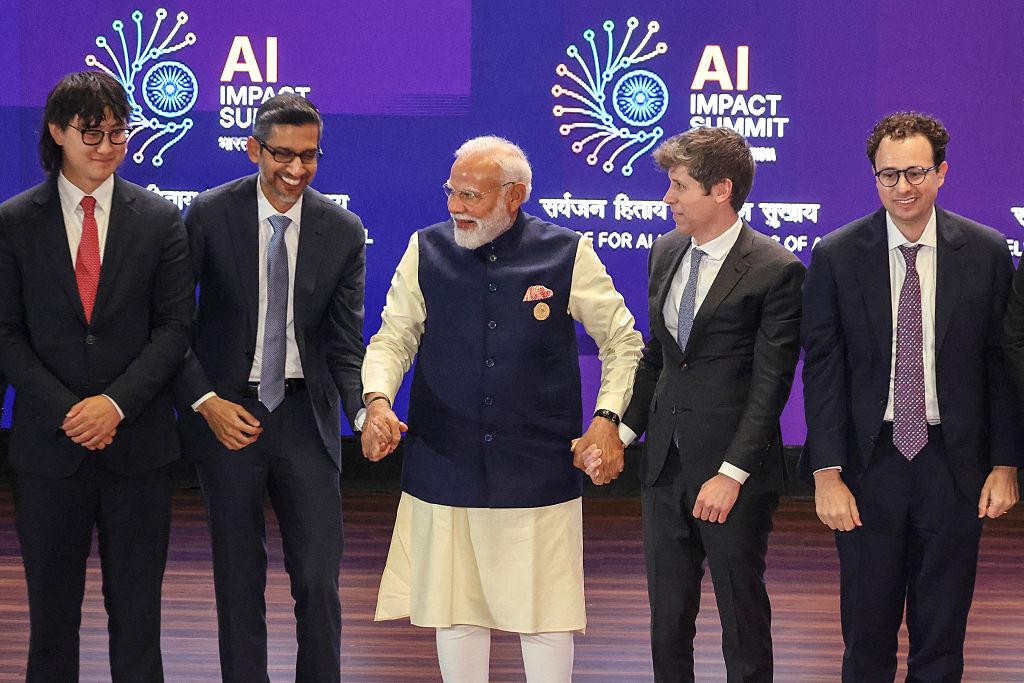
The summit also carried major geopolitical weight. Investment pledges crossed $250 billion in infrastructure alone, with an additional ~$20 billion in deep-tech venture commitments. IT Minister Vaishnaw stated India wants to attract $200 billion in AI infrastructure investment in the next two years. Here are the standout deals:
OpenAI + Tata Group
Sam Altman announced the “OpenAI for India” initiative. OpenAI partnered with Tata Group to secure 100 megawatts of AI-ready data center capacity, with plans to scale to 1 gigawatt. OpenAI will be the first customer of Tata Consultancy Services’ HyperVault data center business.
The local data center capacity will allow OpenAI to run its most advanced models within India, reducing latency while meeting data residency and compliance requirements. OpenAI also confirmed offices in Mumbai and Bengaluru later in 2026.
Altman noted that India has more than 100 million weekly ChatGPT users, spanning students, teachers, developers, and entrepreneurs.
L&T + NVIDIA — Gigawatt-Scale AI Factory
Larsen & Toubro and NVIDIA announced a venture to build India’s largest gigawatt-scale sovereign AI factory. The partnership integrates L&T’s infrastructure capabilities with NVIDIA’s GPU clusters, networking, and AI Enterprise software stack.
Jensen Huang’s take: “AI is driving the largest infrastructure buildout in human history. Everyone will use it, every company will be powered by it, and every country will build it.”
Initial deployment: 30 MW GPU cluster at L&T’s Chennai campus (300-acre gigawatt-scalable campus) and a new 40 MW datacenter in Mumbai.
Anthropic + Infosys
Anthropic announced a partnership with Infosys to deploy Claude models and tools like Claude Code to Indian enterprises, starting with the telecommunications sector. Anthropic also opened an office in Bangalore, with a dedicated Anthropic Center of Excellence.
India’s $1.1 Billion AI Fund
The Indian government earmarked $1.1 billion for a state-backed venture capital fund targeting AI and advanced manufacturing startups, the largest dedicated AI startup fund from any Global South government.
Indian Conglomerates Go All In
The biggest numbers came from Indian industry itself:
- Reliance Industries (Mukesh Ambani): Rs 10 lakh crore (~$110 billion) over 7 years for sovereign compute infrastructure, including multi-gigawatt-scale data centers, a nationwide edge computing network, and AI services integrated with Jio.
- Adani Group: $100 billion by 2035 in AI data centers powered by renewable energy, with an additional $150 billion in server manufacturing, electrical infrastructure, and sovereign cloud platforms.
Combined Reliance + Adani commitment alone: $210 billion.
Other Global Commitments
- Google: $15 billion full-stack AI hub in Visakhapatnam (Vizag) with gigawatt-scale compute and a new international subsea cable gateway
- Microsoft: $50 billion AI investment in the Global South by end of decade, plus Rs 1.5 lakh crore for data centers and AI training in India
- Amazon (AWS): $8.3 billion (Rs 2.9 lakh crore) in cloud infrastructure and AI-driven digitization by 2030
- A tax holiday until 2047 for foreign companies using Indian data centers for global cloud services
The summit closed with the adoption of the New Delhi Declaration on responsible AI governance, endorsed by approximately 89 countries including the United States and China.
This wasn’t just a tech event. It was AI diplomacy.
Real-World Impact: Healthcare, Research, and AI for Society
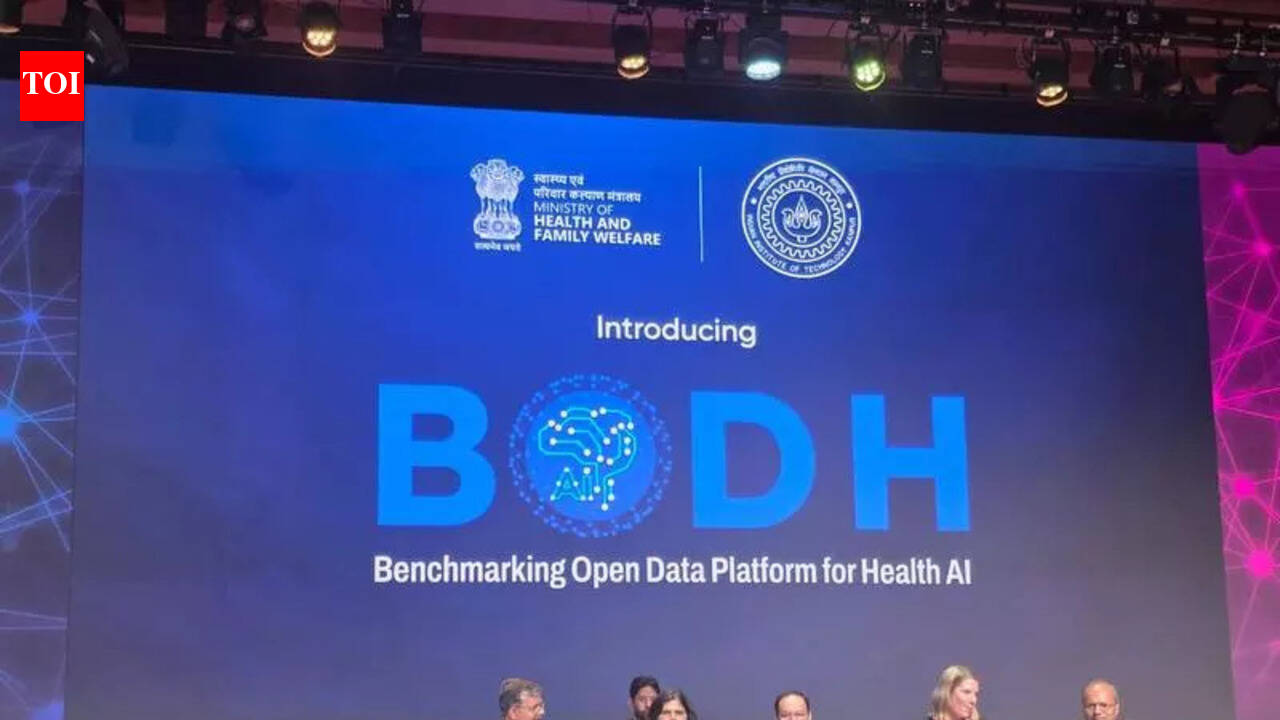
Beyond the hype, several real-world deployments were showcased:
- BODH: A new health-AI benchmarking platform that allows developers to train models without accessing raw patient data, solving the privacy-vs-innovation dilemma that has stalled medical AI for years. Launched alongside SAHI for healthcare capacity building.
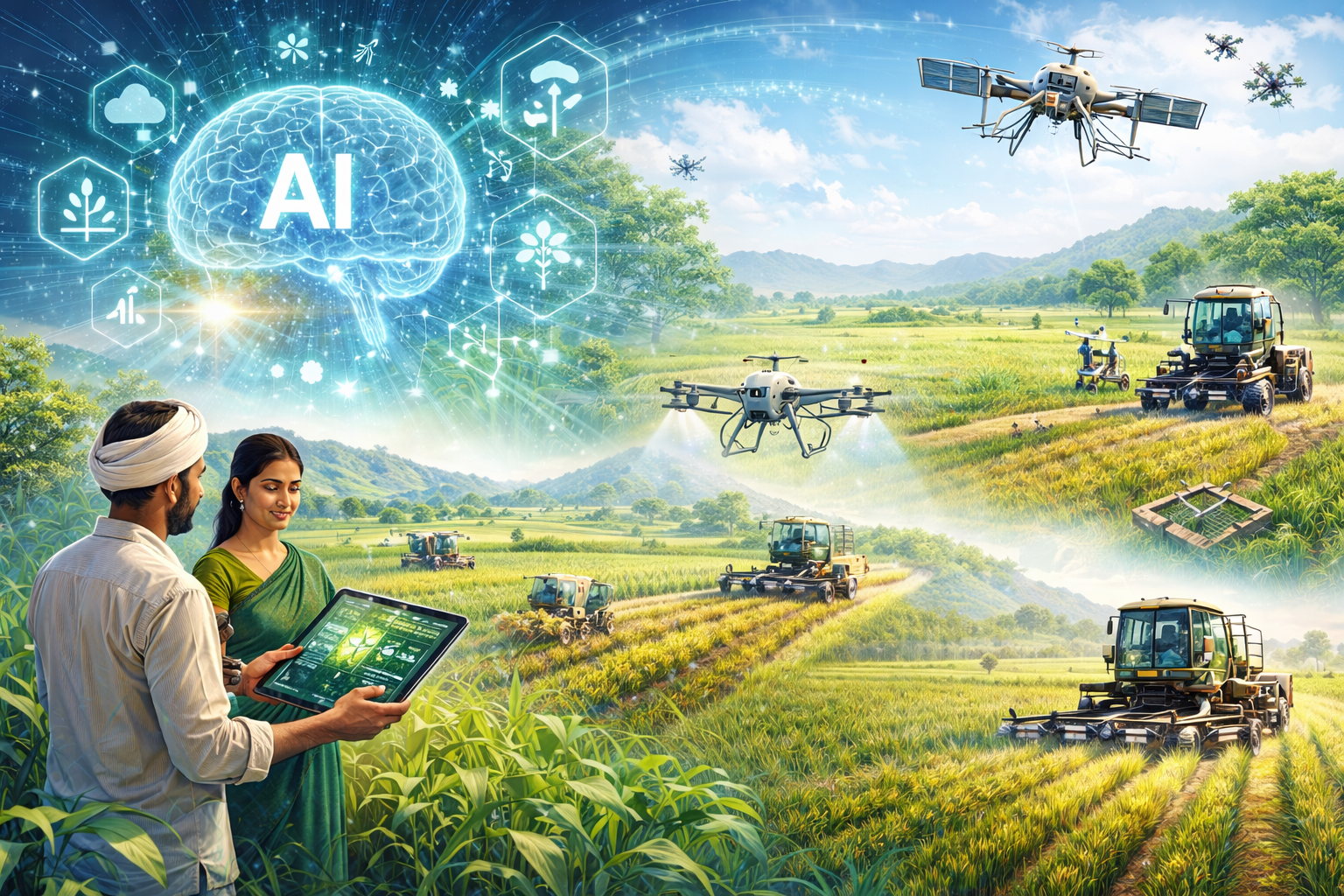
- Bharat VISTAAR: A multilingual AI-powered agriculture platform integrating ICAR data with AI for real-time, location-specific advisories on pests, irrigation, weather, and crop management.
- YUVAi and AI Pragya: Education and skills development initiatives for the next generation.
- Research symposiums showcased global collaboration across academia and industry, with sessions on AI safety, multilingual models, and climate AI.
Former Infosys CEO Vishal Sikka gave perhaps the summit’s most memorable speech, describing AI as a catalyst for a “human revolution”:
“We can be on our way to a human revolution. Powered by AI, good AI, purposeful AI, where every one of us, a billion entrepreneurs, is not just making a living, but is making a life.”
His framing was important: AI as amplifier, not replacement. He drew a nuclear energy analogy (“Just as nuclear energy was made safer over time, AI must also be developed responsibly”) and warned about the gap between LLMs and practical enterprise use, calling for “reliable, trustworthy, and verifiable systems that deliver real business value.”
UN Secretary-General António Guterres called for a $3 billion fund to help developing countries build AI capacity, warning that without investment, many nations will be “logged out” of the AI age. His most pointed remark: “The future of AI cannot be decided by a handful of countries or left to the whims of a few billionaires.”
A Guinness World Record — 250,946 AI Responsibility Pledges
In a surprisingly effective side initiative, the summit set a Guinness World Record for the most pledges received for an AI responsibility campaign in 24 hours: 250,946 valid pledges between February 16–17, in partnership with Intel India.
The campaign invited citizens to commit to ethical, inclusive, and responsible AI use through scenario-based questions covering data privacy, accountability, transparency, and combating misinformation. The original target was 5,000 pledges. They exceeded it by 50x.
The Reality Check — Not Everything Was Perfect
A realistic account shouldn’t ignore the flaws. And there were several.
Day 1 Chaos
70,000+ people showed up on opening day, overwhelming capacity. Queues stretched up to 3 hours just to enter the venue. The registration system crashed multiple times. Attendees were asked to sit on the ground due to lack of seating. Wi-Fi disrupted. UPI payments failed. Some pre-registered participants couldn’t get in at all.
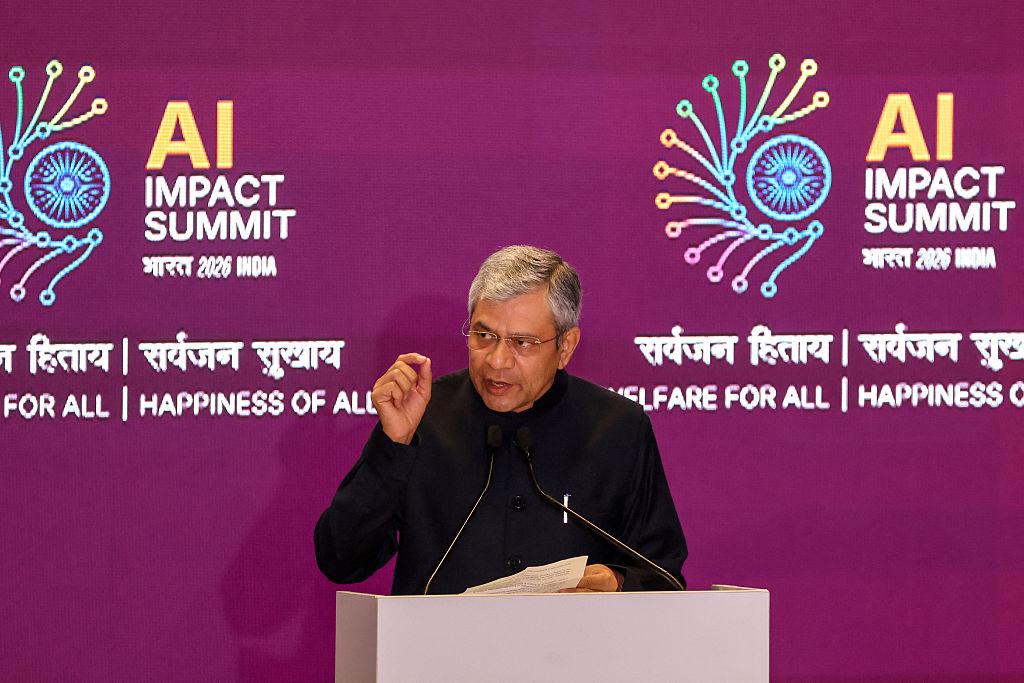
IT Minister Ashwini Vaishnaw issued a public apology: “If anybody has faced any problems yesterday, my apologies for that. We are working very hard.”
Security Lockdown for PM Modi’s Visit
On February 19, exhibitors were ejected from the venue with no warning around midday to accommodate PM Modi’s walkthrough. Gates closed to all attendees until approximately 6 PM. Bloomberg reported delegates stranded without food or water during the lockdown. NeoSapien co-founder Dhananjay Yadav publicly stated that AI wearables went missing from his booth after the forced evacuation. Roads across New Delhi were fully closed for VIP motorcades, triggering hours-long traffic gridlock.
The Robot Dog Fraud
Galgotias University showcased a robot dog called “Orion” at their pavilion, with a professor telling DD News it was “developed by the Centre of Excellence at Galgotias University.” Social media users quickly identified it as the Unitree Go2, a commercially available Chinese robot starting at $1,600. The university issued an apology, claimed the professor was “ill-informed,” and IT Secretary S. Krishnan directed them to vacate their stall.
The “Shirtless” Protest
Indian Youth Congress members staged a political protest on February 20, removing shirts to reveal protest T-shirts against the India-US trade deal. IYC president Uday Bhanu Chib was arrested after 20 hours of police questioning, with 11 total arrests. Union Minister Scindia called it “an attack on the identity of Mother India.”
Phishing Scam
After the summit, fraudsters sent phishing messages claiming registration refunds were being processed, asking for card numbers, CVV codes, and OTPs. The government issued formal warnings, but by then thousands of attendees had already received the messages.
Bill Gates No-Show
Bill Gates was announced as a keynote speaker but did not appear. No official explanation was given.
While these operational problems don’t define the summit’s vision, they reveal the growing pains of hosting an event at global scale. India’s AI ecosystem is scaling faster than some of its infrastructure can support.
Why This Summit Matters for Builders and Founders
If you’re building SaaS, dev tools, or AI products, here’s the real takeaway:
This summit signals a shift from AI consumption to AI infrastructure creation in India.
Key trends founders should watch:
- Sovereign AI models and Indic-language tooling. Sarvam’s 105B model, BharatGen Param2, and Gnani.ai show that India-specific models aren’t vaporware anymore. If you’re building for Indian users, these tools will matter.
- Massive data center investments. OpenAI-Tata (100MW to 1GW), L&T-NVIDIA (gigawatt-scale), Google (Vizag 1GW). India is becoming an AI compute destination, not just a consumption market.
- Government-backed ecosystems. The $1.1B AI fund, IndiaAI Mission compute grants (38,000 GPUs and scaling to 58,000, available to startups at Rs 65/hour, roughly one-third of global cost), and regulatory frameworks like MANAV signal long-term institutional support.
- AI designed for affordability and scale. India isn’t trying to replicate Silicon Valley. It’s building an alternative model where AI accessibility is the priority, not just benchmark scores. When GPU access costs $0.72/hour instead of $2+, it changes who can build.
The New Delhi Declaration
The summit concluded with the adoption of the New Delhi Declaration, endorsed by approximately 89 countries and international organizations, including both the United States and China. It’s the first major AI governance blueprint shaped primarily by Global South voices, anchored in the Indian principles of Vasudhaiva Kutumbakam (the world is one family) and Sarvajan Hitaya (welfare for all).
Key mechanisms include a Charter for Democratic Diffusion of AI, a Global AI Impact Commons, and an International Network of AI for Science Institutions. The approach favors flexible guardrails over rigid compliance, what India calls a “techno-legal approach.”
Critics (including JURIST) pointed out the absence of binding human rights safeguards. The declaration is non-binding, which frustrated human rights advocates who wanted enforceable commitments on algorithmic accountability.
Whether it has teeth remains to be seen. But as the first AI governance document where the Global South wrote the first draft instead of reacting to one written in Brussels or Washington, the symbolism matters.
Final Thoughts — A Turning Point or Just a Beginning?
The India AI Impact Summit 2026 wasn’t flawless. The logistics stumbled. The protests were awkward. The phishing scam was ironic.
But it felt important.
For the first time, India positioned itself not just as a market for AI, but as a builder, partner, and policy shaper in the global AI race. The money is flowing ($200B in pledges). The models are coming (Sarvam 105B, BharatGen). The infrastructure is being built (gigawatt-scale AI factories).
And if this momentum continues, the next wave of AI startups might not come only from California or London — they could emerge from Delhi, Bengaluru, Hyderabad, or even the smaller developer communities that India is uniquely positioned to activate.
The question isn’t whether India has arrived in the AI conversation. It’s whether it can sustain the moment.
Sources:
- AP News — Modi pitches India as an AI hub
- TechCrunch — All the important news from the India AI Summit
- TechCrunch — OpenAI taps Tata for 100MW AI data center capacity
- NVIDIA Blog — India fuels its AI Mission with NVIDIA
- L&T Press Release — NVIDIA gigawatt-scale AI factory
- Fortune — India’s AI Impact Summit closes with New Delhi Declaration
- Fortune — Robot fraud, gridlocked roads, shirtless protest
- UN News — Guterres calls for $3 billion fund
- CNBC — Tech giants commit billions to Indian AI
- CNBC — Chaos, confusion and $200 billion dreams
- NBC News — India’s AI summit draws global leaders, big pledges and some chaos
- Business Standard — Three sovereign AI models launched
- Business Standard — Vishal Sikka on human revolution
- Silicon Republic — Multibillion-dollar deals at India’s AI summit
- Light Reading — Reliance and Adani commit $210B
- The Times of India — AI Impact Summit 2026
- PIB — Summit conclusion press release
- Wikipedia — India AI Impact Summit 2026
Sponsored
More from this category
More from AI & ML
 R.01
R.01 IBM's Project Debater: The First AI to Successfully Participate in Human Debates
 R.02
R.02 Leveraging AutoML for Faster AI Development: Key Trends and Innovations in 2026
 R.03
R.03 ZeroDayBench: Benchmarking LLM Agents for Security Flaw Patching Challenges
Sponsored
Discussion
Join the conversation.
Comments are powered by GitHub Discussions. Sign in with your GitHub account to leave a comment.
Sponsored